
 Language
Language
LanguageWhat is Skincare Containers?
Skincare containers are fully enclosed objects that store, transport, and contain cosmetics and other personal care products. They come in many different styles and sizes, such as jars, bottles, tubes, and airless dispensers.
Technical Support
Our team of experts is available to assist with troubleshooting, answer technical inquiries, and provide guidance.
Product Application
Cosmetic/Food/Chemical/Beverage/Agriculture/Household Products/Gift&Craft/Medicine/Personal Care
Reliable Supply
We offer a vertically integrated supply chain model to ensure reliable long-term supply and complete traceability.
Customer Service
We offer a comprehensive customization solution, and has become the preferred solution for many customers' OEM and ODM products.
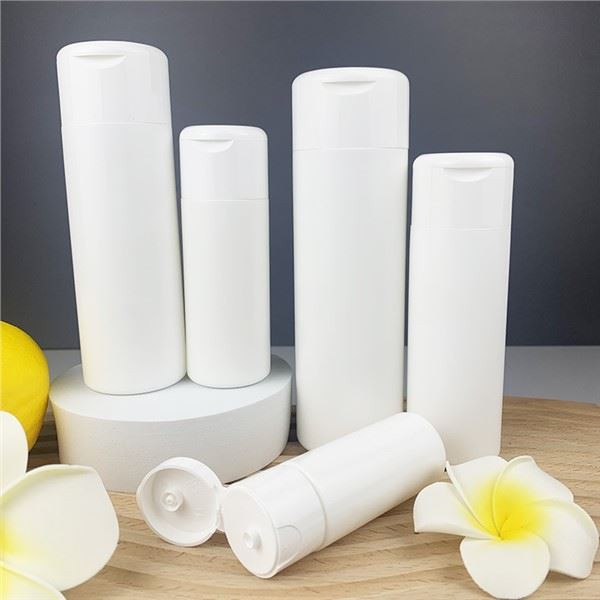
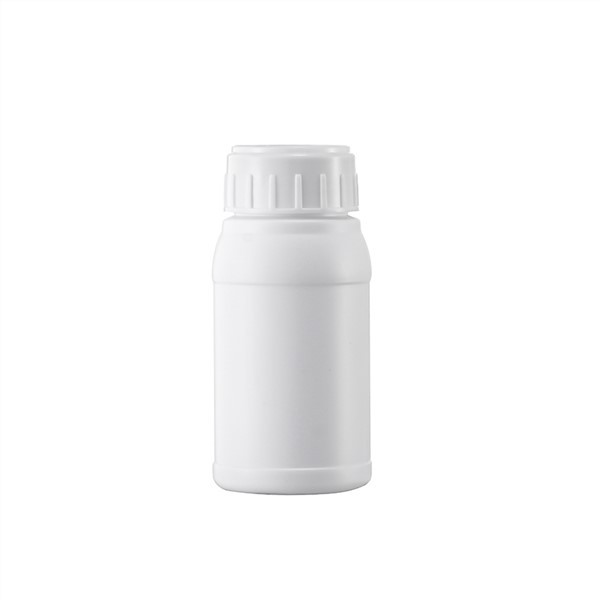
Colour White
Material PET
Brand Media Replication
Shape Round
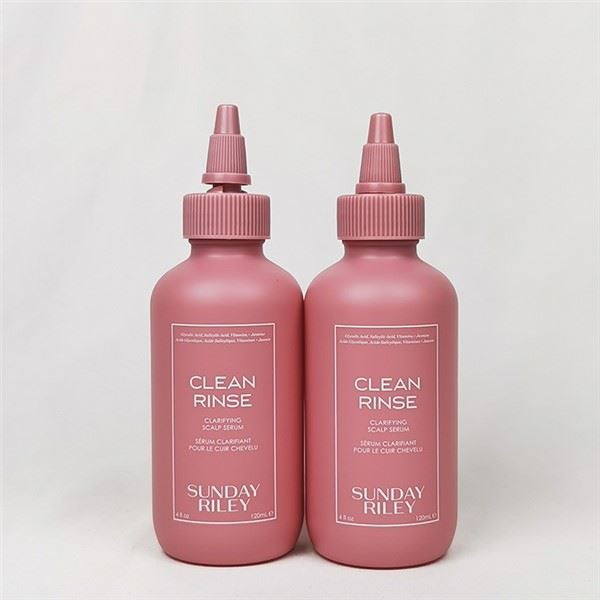
Volume:30ml-1L (Contact us for custom)
Shape:Round, Oval, Super flat
Color: Custom Made
Cap: Flip top cap, Screw...
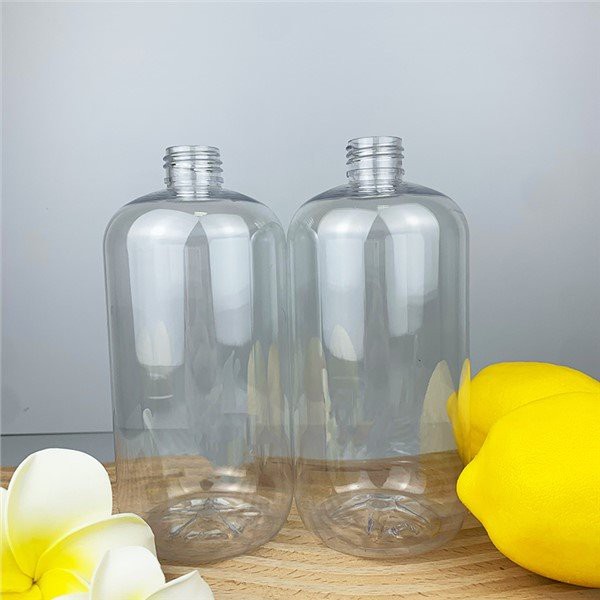
Volume:30ml-1L (Contact us for custom)
Shape:Round, Oval, Super flat
Color: Custom Made
Cap: Flip top cap, Screw...
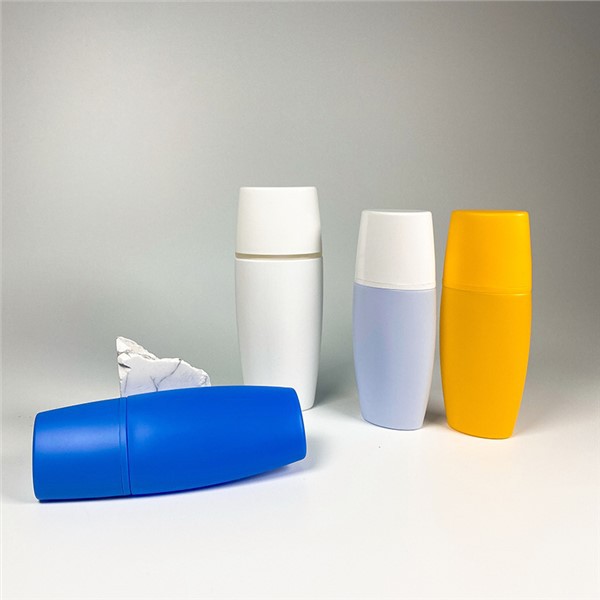
Shape:Round, Oval, Super flat
Color: Custom Made
Cap: Flip top cap, Screw cap, Snap on cap, Foam cap...
Surface Disposal:Engraving, Acid Etoh, Frost, Decal, Inside Engraving, Matte, Screen Printing, Hot stamping
Place of Origin:China...
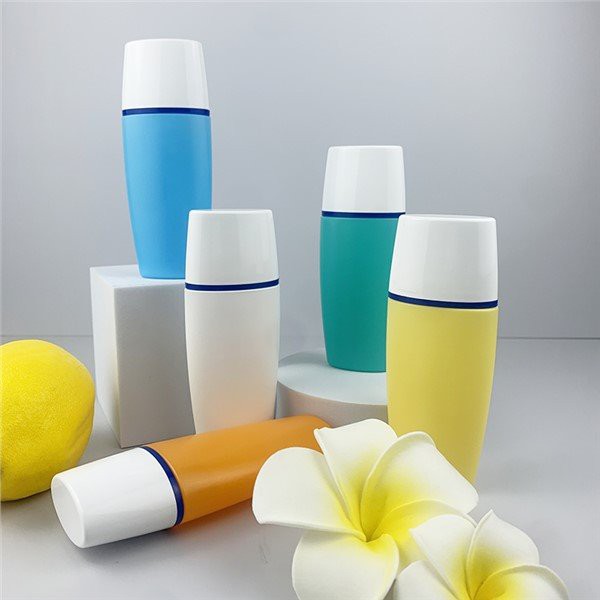
Material: Plastic
Place of Origin: China (Mainland)
Weight: 22g with cap
Capacity: 120ML

Dec 05, 2023

Nov 28, 2023
The Different Types of Packaging Available for Skincare Products
Deciding on a suitable material for your beauty product is one of the crucial packaging decisions. You have spent enough time planning, and now is the opportunity to make sure your cosmetics packaging is equally perfect for your brand's objectives. It would be best if you got packaging options that are effective in functionality and promote eco-friendliness.
Glass containers
Glass is one of the common materials that is non-degradable, recyclable, and highly resistant to most acids, so glass packaging material is a sustainable option for skincare products.
Glass products are attractive, BPA-free, and sturdy, with an upscale look and added safety due to UV protection. Frosted glass containers are convenient for cosmetics with essential oil or other products whose quality can be affected by exposure to sunlight.
The glass packaging mainly comes in jars or bottles but in different colors depending on the choice of branding. Since glass is chemically inert, it is mostly a preferred option for most cosmetic products containing essential oils, which interact much with rubber and plastic materials. On the other side, glass is expensive and fragile, so hazardous to ship products in glass bottles.
Plastic Packaging
Plastic is cost-effective and flexible, so it is an extensively used material for skincare packaging. With unmatched alternatives, a complete range of plastic packaging options will fit your budget, customer needs, and products. In plastic packaging, resins are widely used as foundation substances to give different plastic qualities. Some of the resin-reinforced plastics used in cosmetic packaging include:
Polyethylene terephthalate (PETE or PET) – PET plastic containers are highly resistant to damage, BPA-free, recyclable, lightweight, and flexible. Also, a plastic container made of polyethylene terephthalate can be designed in clear, frosted, or opaque finishes, so you can choose the correct finish depending on what your product deserves. Due to its sturdiness with clear finishes, polyethylene terephthalate plastic is suitable for spray bottles and jars.
High-density polyethylene (HDPE) – HDPE plastic is sturdy, durable, recyclable, and reusable. Suitable for most skincare products. High-density polyethylene plastic cannot produce clear finishes as with PET, but frosted options are available.
Polyvinyl chloride (PVC or V) – PVC plastic container is lightweight and can resist varying temperatures. The downside of it is that it is challenging to recycle PVC. It can cause severe health issues by releasing toxins and other pollutants during usage.
Low-density polyethylene (LDPE) – Very flexible, has good chemical compatibility, and gives clear finishes. However, it has low resistance to temperature variations. LDPE plastic bottles and jars can be reused, but no recycling. The LDPE plastic is suitable for making squeeze bottles and squeezable tubes due to its high flexibility.
Polypropylene (PP) is light, strong, semi-transparent, and can withstand varying temperature conditions. Polypropylene plastic is mainly used to manufacture seals, lids, and caps to seal cosmetic creams or solutions before the container top is secured.
Since it is highly recyclable, reusable, and BPA-free, PP is an eco-friendly option for cosmetics packaging. Also, polypropylene plastic is the preferred material for making lip balm tubes in cosmetics lines due to its high flexibility and superiority.
Polystyrene (PS) – Mainly used for outer packaging like protective cushions and packing fillers. It is common in the manufacture of styrofoam products. PS is highly fragile and not recyclable.
Metal Packaging
Cosmetics packaging made of metal are sturdy and durable. A suitable metal offers an elegant, sleek, luxurious look. Aluminum is a common packaging material as it is lightweight and less fragile, so it is a user-friendly and practical material for cosmetics. Due to its less fragility, metal can endure unfavorable shipping and storage conditions.
Another advantage is that metal is highly recyclable into other essential products and reused for other purposes. Aluminum containers are convenient for sprays, deodorants, and dry and powdered products. On its downside, metal lacks transparency, so customers cannot see the product inside, which is crucial in some cases. Also, other metal containers, if not coated with a protective layer, can react with the product, damaging both the container and your skincare contents
Glass packaging is often used for high-end creams, serums, and balms, enhancing the luxurious appeal of these products.
Chemical Inertness: Glass is chemically inert and does not react with cosmetics, making it an ideal choice for preserving product quality and integrity.
Recyclability: Glass packaging champions the cause of sustainable cosmetic packaging. It is fully recyclable and can be repurposed without any loss in quality, aligning with eco-friendly packaging trends.
High-End Appeal: Glass is synonymous with luxury and elegance and is often used for high-end cosmetic products. Its clarity and weight give the product a sense of quality and value.
Common Uses of Plastic in Skincare and Cosmetics Packaging
Plastic's versatility and practicality have made it a staple in various cosmetics and skincare packaging categories.
Its adaptability allows it to cater to a broad range of products, making it a favorite in the industry. Here are some of the common uses of plastic in cosmetic and skincare packaging:
Tubes for Creams Gels: Perfectly suited for hand creams, facial cleansers, and gels and serving as practical lip balm containers, these plastic tubes are user-friendly and enable controlled dispensing.
Bottles for Liquids: From shampoos and conditioners to liquid foundations and toners, plastic bottles come in various sizes and designs, offering functionality and convenience.
Cream Jar: Widely used for moisturizers, face creams, and exfoliating scrubs, plastic jars are lightweight and robust, making them a practical choice.
Dispensers and Pumps: For products like liquid soaps and lotions, dispensers and pumps made of plastic offer a hygienic and efficient way to access the product.
Compacts for Powders: Plastic compacts are commonly used for pressed powders, blushes, and eyeshadows, providing durability and ease of use.
Airtight Containers: Essential for products sensitive to air exposure, such as certain serums and creams, offering protection and extending shelf life.
Flexible Squeeze Bottles: Used for various products, including body lotions and sunscreen, these bottles are convenient for on-the-go usage.
The Lightweight and Flexible: Plastic Packaging
In the realm of cosmetics, plastic is like the jack-of-all-trades. It's everywhere – from mascara tubes to foundation bottles. Its popularity isn't just about cost but versatility and innovation. Brands love plastic because it offers them a canvas to unleash creativity in design, color, and form.
This approach to using plastic packaging not only brings convenience to consumers but also offers certain efficiencies in production and transportation.
However, we should also be aware of the potential environmental impacts of plastic packaging and seek ways to reduce its negative effects on the environment while maintaining convenience.
Before you dive into choosing colors and designing labels for your cosmetic and skin care product, you need to make some decisions on packaging. Here are five things you should consider when selecting the proper skin care packaging material.
Light Blocking
Many skin care products are sensitive to light. For example, essential oils tend to break down more rapidly when exposed to sunlight. If your product needs to be shielded from light, you'll need packaging that is tinted or opaque.
Resistance to Acidic Content
Some cosmetics or skin care products (especially those with fruit extracts) can have high acid levels, which can have a corrosive effect on some materials. For example, metal tins need to be coated with a protective barrier. Glass or PET/rPET plastics are generally the go-to options for products like these.
Squeezability
While gels and cosmetic creams may work just fine if packaged in a jar, consumers tend to appreciate flexible containers that make them easy to squeeze out. Consider the viewpoint of your customers and go with the packaging option that's convenient and easy to use.
BPA-Free
A lot of plastics contain Bisphenol A (BPA), a chemical compound that could potentially seep from the plastic into your facial cream or cosmetics. Consumers are becoming increasingly aware of the issues associated with BPA, so you can put their minds at ease by using BPA-free plastic packaging.
Eco-Friendliness
Consumers have become much savvier about ecological issues and the roles that plastic and glass play in them. Fortunately, there are packaging options available that are biodegradable, recyclable, or otherwise environmentally sustainable.
PET Packaging
Polyethylene terephthalate (PET) is an eco-friendly packaging option that is strong, rigid, and flexible, yet lightweight. It's also 100% recyclable, BPA-free, and resistant to acids and other chemical compounds that typically degrade plastics.
We all know that looks aren't everything. The main purpose of selecting suitable cosmetic packaging is to protect and preserve the integrity of the product inside. An attractive container may call out to you, but the right container will help to protect what's inside. Packaging must be able to withstand the conditions it may encounter during transportation and storage as well.
Despite this, it still surprises me to see containers that look very enticing, screaming for attention, but which likely aren't doing much to help protect what lies within. Here Are 3 Things to Consider:
While opaque and dark coloured or amber containers accomplish this best, many products are still packaged in clear glass and plastic bottles. They look very pretty, especially when filled with colourful ingredients, but light will accelerate the degradation of the contents. Airless pumps are the containers to best protect against air and if a product is suitable for this packaging, it's the one to shoot for. Amber or opaque containers help to minimize the impact of light exposure.
Most cosmetics, even the 'natural' ones, are chemical formulations which have a tendency to react with substances that are next to them. Plastic is one of the least reactive materials so manufacturers are increasingly leaning towards it. Research and development into new plastics that are biodegradable and free of troubling ingredients like Bisphenol A, are starting to become more commonplace. However, they can be very expensive so many companies stay away from them. As prices come down, we can expect to see more products packaged in these new plastics. Glass is another solid option to help avoid chemical reactions. One of the issues with glass, however is the risk of breaking it in the shower or counter, leading to a potentially hazardous situation. For this reason, many manufacturers avoid packaging in glass.
Packaging that prevents contact with the ingredients inside – airless pumps and tubes, for example – minimize the introduction of bacteria into the container. Just think of reaching your hand(s) into a jar daily for months and the potential for contamination. If it's possible to avoid touching the product, why not? While airless pumps aren't suitable for all products, they are one of the best ways to help protect against contamination. And a good preservative system as well, of course.
Surface treatment is a vital aspect of cosmetic bottle manufacturing. It not only enhances the aesthetic appeal of the bottles but also adds functional benefits such as durability and resistance to various environmental factors. This article delves into the various surface treatment processes used in the cosmetic packaging industry.
Screen Printing on Cosmetic Bottles
Process: Screen printing involves applying ink directly onto the bottle's surface through a mesh screen. Each color requires a separate screen, and the process is repeated until the desired design is achieved.
Hot Stamping for Cosmetic Packaging
Process: Hot stamping uses a heated die to transfer metallic or colored foil onto the bottle surface. The foil is pressed onto the surface, leaving behind a shiny, metallic imprint.
Spray Coating Techniques
Process: In spray coating, a fine mist of paint or lacquer is sprayed onto the bottle, creating an even and smooth finish. The coating is then cured using heat or UV light.
Electroplating for Cosmetic Bottles
Process: Electroplating involves coating the bottle with a thin layer of metal using an electrochemical process. The bottle is immersed in a metal solution, and an electric current is applied to deposit the metal onto the surface.
Frosted Cosmetic Bottles
Process: Frosting can be achieved through acid etching or sandblasting. Acid etching uses chemicals to create a frosted, matte finish, while sandblasting involves blasting the surface with fine sand particles.
Labeling for Cosmetic Packaging
Process: Labeling involves adhering pre-printed labels onto the bottle surface. Labels can be made from various materials including paper, plastic, and foil.
Choosing the Right Surface Treatment
The choice of surface treatment depends on several factors:
Brand Identity: Align the surface treatment with the brand's aesthetic and target market.
Product Type: Consider the type of cosmetic product and its specific packaging requirements.
Cost Considerations: Evaluate the cost-effectiveness of different treatments, especially for large-scale production.
Durability Needs: Ensure the treatment provides adequate
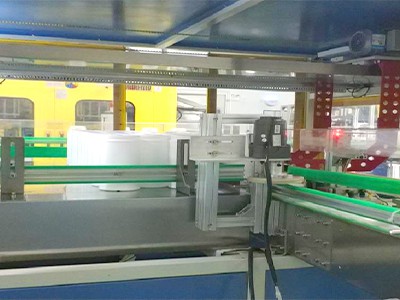
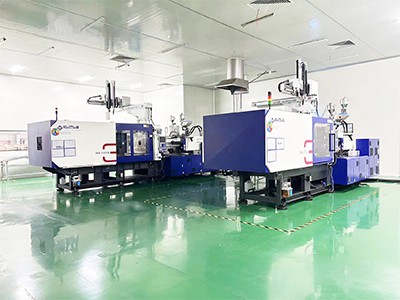
Shanghai Blopak New Material Co., Ltd. (formerly Shanghai Blopak Co., Ltd.), located in No. 2799, Wanfeng Highway, Fengjing Town, Jinshan District, Shanghai. Blopak now has a plant over 80,000 square meters with more than 400 employees. We are a leading manufacturer for all kinds of packages in China, specialized in designing and producing plastic tubes,plastic bottles and plastic jars. Blopak provides packages for all over the world not only for cosmetic products, but also for chemical food, pharmaceutical and other fields. Blopak adheres to the green, environmentally friendly, low-carbon and recyclable production concept. With years of technical advantages and a complete production and delivery system, Blopak is deeply trusted and hightly praised by domestic and oversea customers.
Q: What is a cosmetic container?
Q: What is the best packaging for skincare products?
Q: How are cosmetic containers made?
Q: What are the best containers for skin care products?
Q: Can I put lotion in a different container?
Q: What is the most sustainable packaging for skincare?
Q: Does lotion have to be in a clear container?
Q: How to recycle skincare containers?
+8613310037132
No.2799, Wanfeng Highway, Fengjing Town, Jinshan District


