
 Language
Language
LanguageWhat is Plastic Cosmetic Tube?
Cosmetic plastic tubes are cylindrical containers made from various types of plastic, such as polyethylene or polypropylene. They are commonly used to package and dispense a wide range of cosmetic products, including creams, lotions, gels, and serums.
Technical Support
Our team of experts is available to assist with troubleshooting, answer technical inquiries, and provide guidance.
Product Application
Cosmetic/Food/Chemical/Beverage/Agriculture/Household Products/Gift&Craft/Medicine/Personal Care
Reliable Supply
We offer a vertically integrated supply chain model to ensure reliable long-term supply and complete traceability.
Customer Service
We offer a comprehensive customization solution, and has become the preferred solution for many customers' OEM and ODM products.
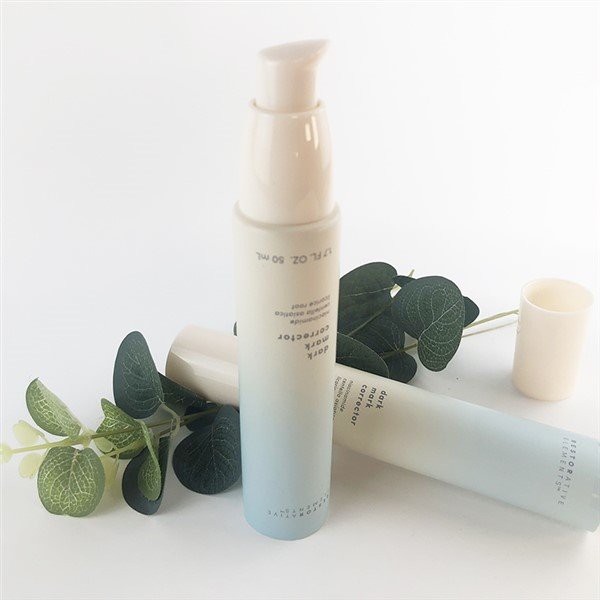
Item No.: RP-PT
Shape: super flat screw tube
Diameter: 16mm,19mm,22mm,25mm,30mm,35mm,40mm,45mm,50mm,55mm...
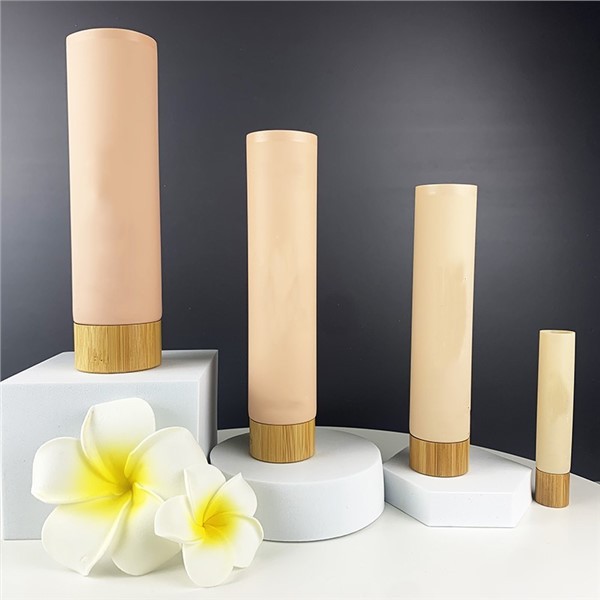
Factory Wholesale Bamboo Cover Skin Cream Tube
Surface Disposal:Frosting, Electroplating, Embossing, Pearlizing
Material...
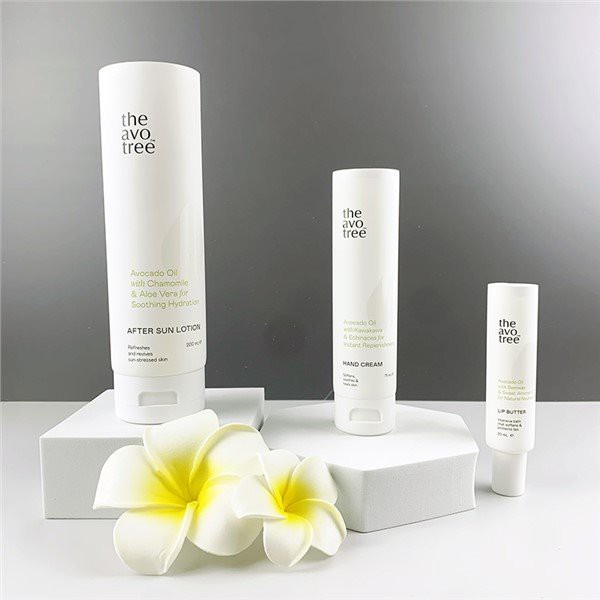
Our incredible biodegradable plastic pop top squeeze tubes are the best option if your company is looking for recyclable and environmentally...
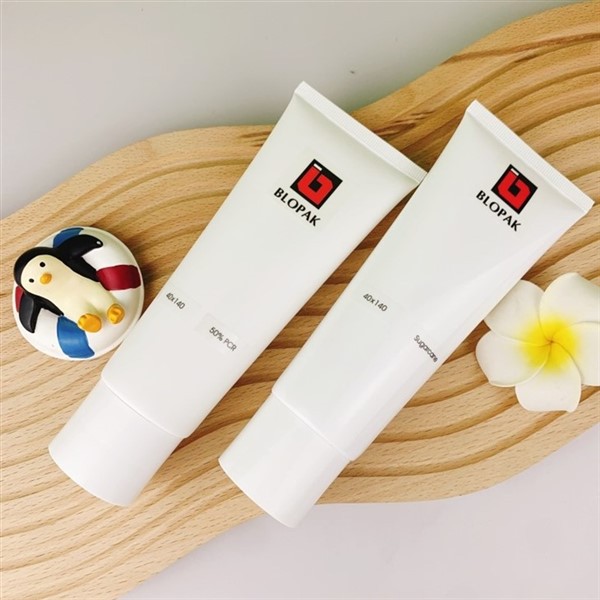
Item:Dia40*L140MM 50% PCR Tube with Flip Top cap Material:PCR or Sugarcane plastic material Size:customized Print:Screen printing/ offset...
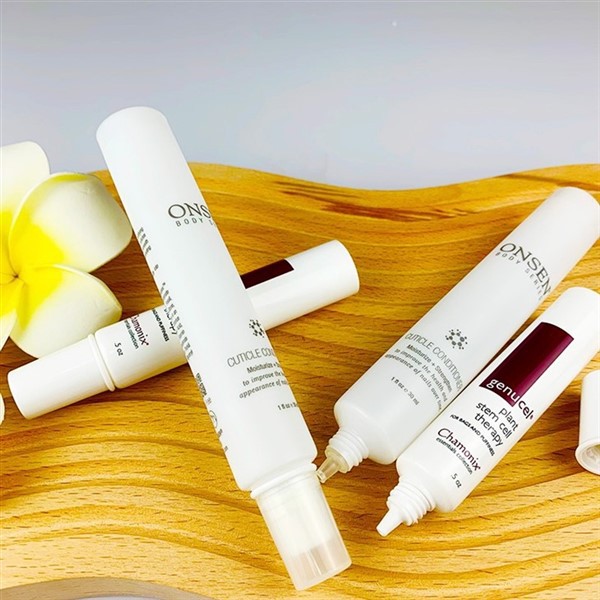
This custom capacity private label eye cream long nozzle tube has the following features: Product attributes: Customizable capacity: The...
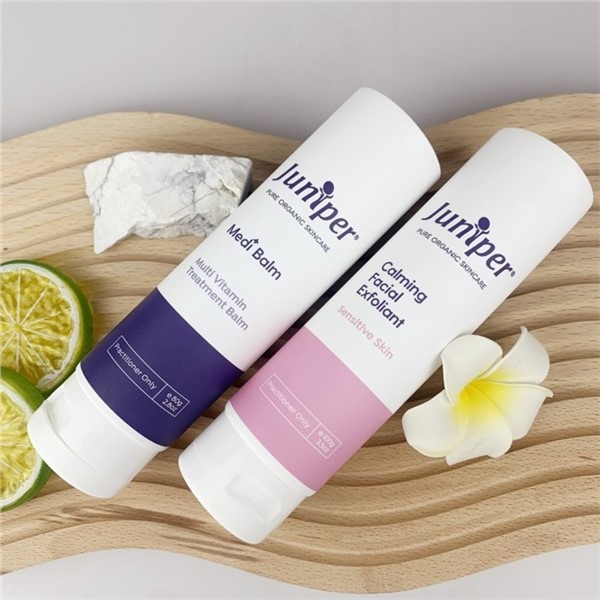
Item:100ML face wash cream tube with flip top cap Material:Normal PE, PCR or Sugarcane plastic material Size:customized Print:Screen...
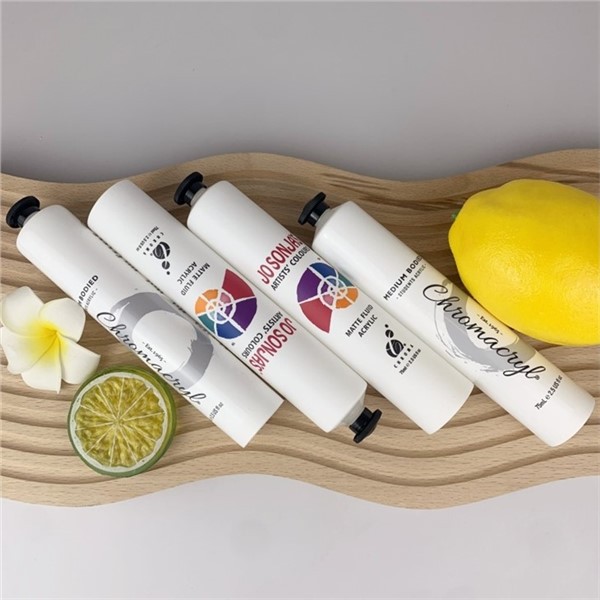
Item:75ML Cosmetic Plastic Tube with Screw cap Material:Normal PE, PCR or Sugarcane plastic material Size:customized Print:Screen printing/...
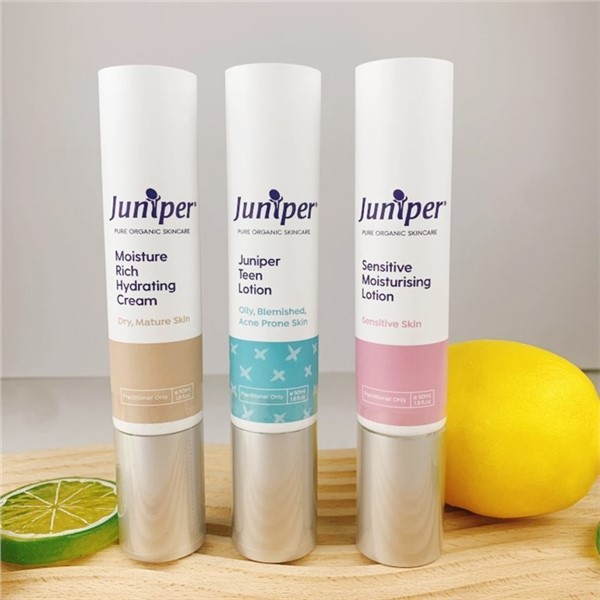
Item:50ML moisturizing lotion tube with pump Material:Normal PE, PCR or Sugarcane plastic material Size:customized Print:Screen printing/...

Item:4oz toothpaste tube with rotating cap Material:Normal PE, PCR or Sugarcane plastic material Size:customized Print:Screen printing/...
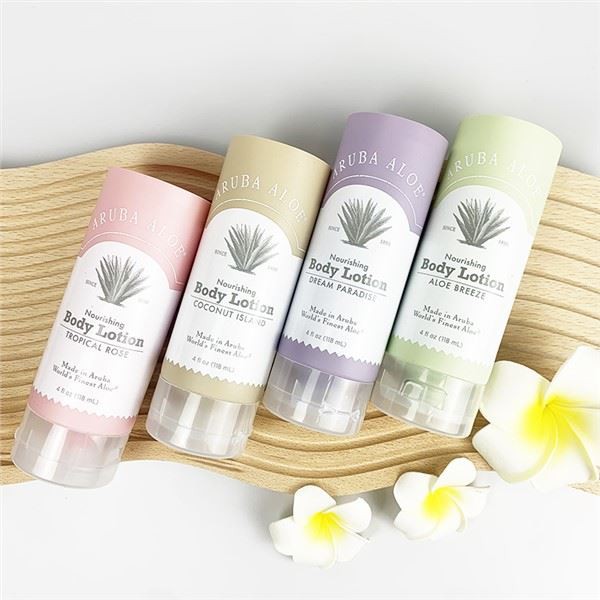
Blopak is equipped with advanced equipments to produce various plastic tubes from single-layer to 5 layer CO-EX with diameter 13mm to 60mm.
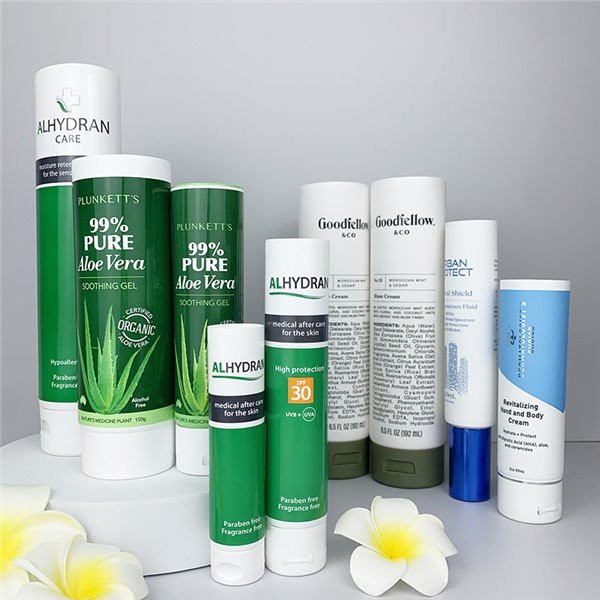
Luxury looking cosmetic packaging LDPE high gloss tube with disc top cap
LDPE high gloss makeup tubes
Cap
Screw...
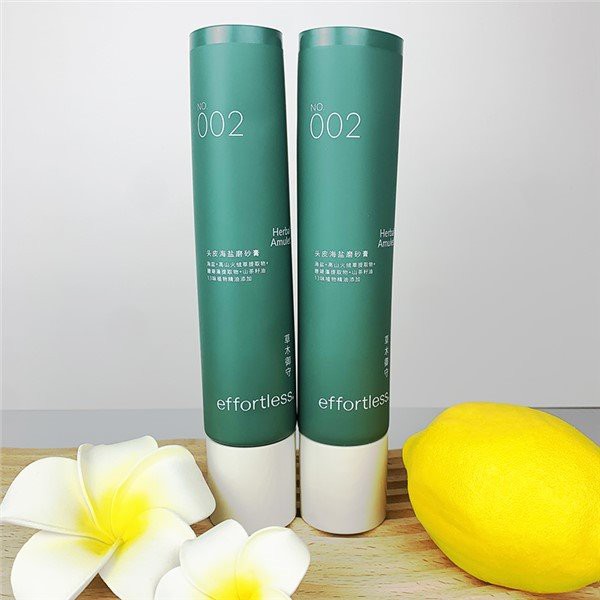
15 days for urgent order
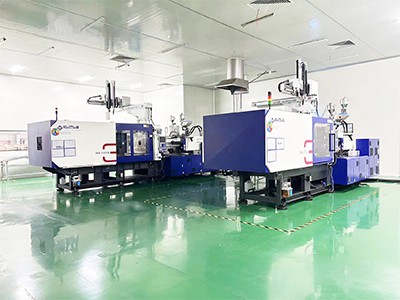
100000 grade dust free factory
1000+ types caps and tubes mould
Custom mold and products...

Dec 05, 2023

Nov 28, 2023
One of the key advantages of cosmetic plastic tubes is their exceptional durability. These tubes are designed to withstand various environmental factors, ensuring that the product remains in good condition throughout its shelf life. Unlike some other packaging materials, such as glass or metal, plastic tubes are resistant to impact, breakage, and leakage. This not only provides peace of mind to manufacturers but also reassures consumers that their favorite cosmetic products will stay intact, even when traveling or being stored.
Another significant advantage of cosmetic plastic tubes is the versatility they offer in terms of design and function. Manufacturers can explore a wide range of creative and practical options to enhance the user experience. For instance, they can incorporate features like twist caps, flip caps, or even customized applicators, making the application of cosmetic products more convenient and enjoyable.
Cost-effectiveness is yet another advantage of using cosmetic plastic tubes. Plastic is a relatively inexpensive material compared to alternatives like glass or metal. This affordability allows manufacturers to offer their products at competitive prices while maintaining high-quality standards. Moreover, the cost-effectiveness of plastic tubes extends beyond the production phase. The lightweight nature of plastic tubes reduces transportation costs, making them a more economical choice for both manufacturers and retailers.
Plastic tubes offer a significant advantage when it comes to recyclability. Unlike some other packaging materials, plastic can be easily recycled and repurposed. By choosing cosmetic products packaged in plastic tubes, consumers can actively participate in reducing waste and promoting a circular economy.
Plastic tubes offer not only recyclability benefits but also a significant reduction in carbon footprint. Due to their lightweight nature, plastic tubes require less energy and fuel for transportation compared to heavier packaging alternatives.
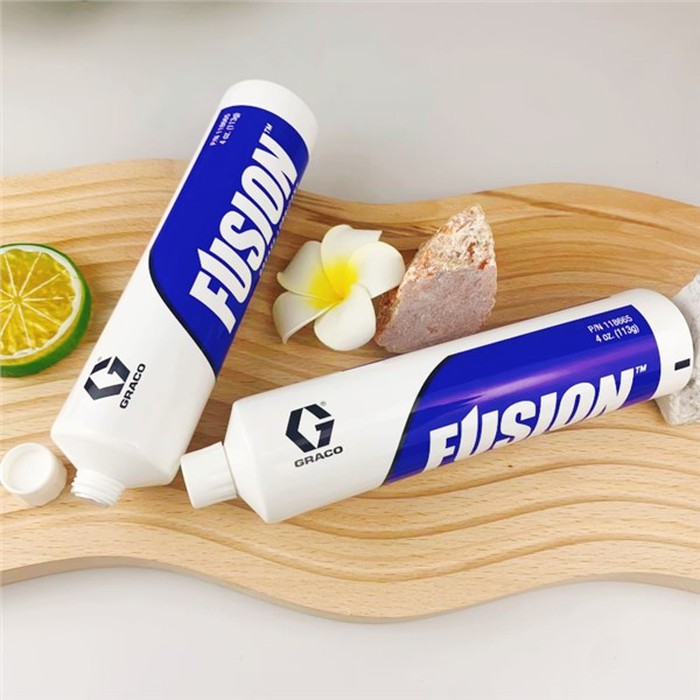
There are various types of cosmetic plastic tubes available, each designed to meet specific needs. Some common types include squeeze tubes, pump tubes, and roll-on tubes. Squeeze tubes are ideal for creams and gels, while pump tubes are convenient for dispensing liquid products. Roll-on tubes are frequently used for perfumes and deodorants.
Squeeze tubes are a popular choice for cosmetic products that have a thicker consistency. They allow users to easily squeeze out the desired amount of product without any hassle. These tubes often come with a flip-top cap or a screw-on cap, ensuring that the product remains securely sealed when not in use.
Pump tubes, on the other hand, are equipped with a pump mechanism that dispenses the product with a simple press. This type of tube is commonly used for liquid products, such as foundations, serums, and lotions. The pump mechanism ensures controlled dispensing, preventing spillage and allowing for easy application.
Roll-on tubes are specifically designed for products that require a rolling motion for application, such as perfumes and deodorants. These tubes typically have a small rollerball at the top, which allows for smooth and even distribution of the product on the skin. The roll-on mechanism ensures precise application and minimizes product wastage.
Cosmetic plastic tubes are an essential packaging solution for a wide range of cosmetic products. They provide practicality, durability, and convenience, ensuring that the products remain safe, fresh, and easy to use. With various types available, cosmetic plastic tubes cater to different product requirements, making them a versatile choice for both manufacturers and consumers.
Collapsible squeeze tubes for creams, gels, and lotions are usually made from a type of plastic called polypropylene, or PP. That’s because of the strength of the material, and for its chemical resistance that ensures it doesn’t react with the product inside the tube.
Polypropylene is also a responsible choice for brands who want to demonstrate a commitment towards eco friendly beauty. PP requires significantly less resin to create a cosmetics tube as would be needed if using another type of plastic, and can be widely recycled. PP is commonly transformed into yarn to make carpets and shopping bags.
PP is also used to make lip balm, lipstick, lip gloss, and mascara tubes. However, acrylic is also used for some applications. The benefit of acrylic is that it is lighter and more durable than glass, and is less likely to smash if dropped, which prevents particles from landing on bathroom and bedroom floors to improve safety. Acrylic is also highly transparent, so it’s easy for customers to view the product inside the container.
The Rise of Non-Plastic Tubes
However, not all cosmetics tubes today are made from plastic. Collapsible tubes can also be made from aluminum, which offers a visually appealing appearance with a subtle metallic sheen. Metal tubes are becoming increasingly popular as brands minimize use of chemical preservatives, with the opaque design helping to protect the product from ultraviolet rays which could cause the product to deteriorate quickly.

Plastic Cosmetic Tube Manufacturing Process
The most common way of packaging a cosmetic product is by using a plastic cosmetic tube, also known as PE (plastic extruded). This is by far the safest as well as the most suitable way of skincare packaging.
These plastic cosmetic tubes replaced the traditional ways cosmetic bottles, containers, and jars. Plastic cosmetic tubes are easy to apply and more convenient to keep even while travelling.
A plastic cosmetic tube is also known as a refillable squeeze tube. The PE plastic used by plastic cosmetic tube manufacturers is environmentally friendly and can be recycled.
All types of plastic raw materials for squeeze tube manufacture
Here is a list of common and most-used plastic raw materials used to make plastic squeeze tubes:
1. Polyethylene (PE)
2. Polypropylene (PP)
3. High-Density Polyethylene (HDPE)
4. Low-Density Polyethylene (LDPE)
5. Polyethylene Terephthalate (PET)
6. Polyvinyl Chloride (PVC)
7. Polystyrene (PS)
8. Acrylonitrile Butadiene Styrene (ABS)
9. Polyamide (PA) - commonly known as Nylon
10. Polycarbonate (PC)
These materials offer different properties and characteristics, allowing for customization at plastic squeeze tube factories, based on specific requirements such as flexibility, durability, clarity, and chemical resistance.
Plastic cosmetic tubes are designed in many shapes and sizes with various material densities to protect a specific cosmetic product. These innovative plastic tubes have many benefits, such as; prolonging the shelf-life and making a cosmetic or skincare product shelf-stable.
The plastic refillable squeeze tube to retain its shape after every squeeze. Different types of PE are used according to the inner fillings and the type of product. Moreover, layers such as mono-layer, two-layer, and multi-layer tubes are also available in the wholesale market.
Different types of labeling and printing give these plastic cosmetic tubes an appealing look. The process of manufacturing a plastic cosmetic tube is all mechanical and requires no laborers. It's simple and requires less hard work and money.
Plastic squeeze tubes are usually supplied in bulk and not in two or three items. If you are thinking of starting a plastic cosmetic tube wholesale business, then the article is the best for you. Let's now take a look at the manufacturing process of a plastic squeeze tube. Two kinds of packaging are made, primary plastic packaging and secondary plastic packaging.
Extrusion
The very first phase of manufacturing a plastic cosmetic tube is extrusion. Plastic extrusion is used to manufacture high-volume plastic tubes. Raw plastic material in the form of resins, pellets, granules, powder, or flakes is added to the barrel of the extruder. The mixture of raw plastic and a colour concentrate is mixed.
The material starts melting as heaters are arranged in the barrel by turning on the screws. A typical temperature is maintained to melt the mixture of resin and color perfectly. The resin is fed continuously as bulk production of plastic cosmetic tubes is needed.
During the plastic extrusion process, you can also choose different color dies being pushed through different shapes. These sizing dies are encapsulated. The extruder is attached to a right-angle cross-section to provide a basic shape and color.
The next important phase is cutting. Plastic cosmetic tubes are available in all shapes and sizes. After passing through high temperatures, the plastic is passed through a water-cooled sleeve, and a variety of colors dies where cutting takes place.
Decorating
Decorating again is a crucial step. During this step, the beaded tube is fed through the accumulator, and the accumulator is then used to design and decorate the plastic cosmetic squeeze tube.
After passing through the accumulator, it goes through a decorating operation where other decorating steps take places, such as flexographic, silkscreen, or cold foil printing and offset printing.
A print mandrel is then used to spread the ink and gives the first stage of surface treatments. These treatments include plasma treatment, flame treatments, or corona treatment. This process helps to prepare the plastic cosmetic tube for the infusion of ink.
How is the ink spread after that? A rubber blanket attracts the plate and then picks up the ink to the entire plastic tube. The ink is infused onto the entire circumference of the plastic squeeze tube. All squeeze tube manufacturers need a different type of rollers and inks to spread the ink all over the surface of the tube.
The ink is wet ink; to dry it out, ultra-violet light or heat is used to dry up the ink on the refillable plastic squeeze tube.
Labelling
Empty cosmetic tubes have many benefits. When you buy empty cosmetic plastic tubes at wholesale, you can easily get your own brand's labeling printed on it as we all know that the first thing people notice before buying any cosmetic product is its packaging. For example, if you are looking for the best face cream for yourself, the first thing you will notice is it's an outlook or the kind of packaging it has.
Labeling your own brand's name, logo, and product's name will increase the customer base for your cosmetic brand.
The best process of labeling a plastic squeeze tube is through silkscreen printing. Silkscreen printing is a commonly used technique used by most cosmetic packaging brands. In this process, the ink is transferred through a
mesh of porous fabric, which is also known as a screen. This screen is the most basic part of silk screen printing. As we go way back in history, actual silk was used in this process, but today as pure silk becomes very expensive, polyester is used instead of silk.
The screen printing process has three major parts. One is a screen printing machine, then screen plates are used, and lastly, a good quality screen printing ink should be used. Silkscreen printing is a cost-effective way. The labeling done through silkscreen printing is also durable and doesn't wear off easily.
Capping
Capping is the final step of manufacturing a perfect plastic squeeze tube. The capping of a refillable squeeze tube should be durable and made out of PE or PCR plastic to promote an eco-friendly environment. The cap of a squeeze tube provides protection to any cosmetic material filled inside the cosmetic tube. Sometimes a sharp pin is also injected inside the cap to open the seal of any cosmetic product.
Caps come in all shapes, sizes, designs, and materials to suit the needs of a cosmetic brand.
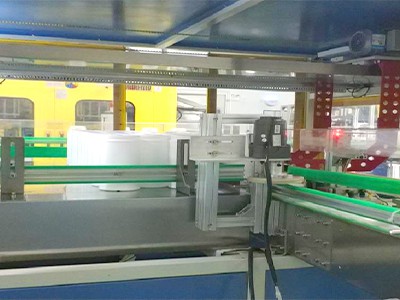
The conveyor passes the tube through a capping station. In that capping station, the cap is applied to the tube through torque according to the consumer's specifications.It actually depends on the size and type of tube. Some squeeze tube manufacturers apply the cap first and then pass the tube through a decorating process. The orientation of the flip flop closure is according to the customer's demand. It is aligned accordingly with the front of the tube's artwork.
Packaging
After the final process of caping is done, the plastic tube is fully ready to be packed and exported to its customers. The plastic squeeze tube is placed in a conveyor belt that takes it to a tray to be packed in. Cartons and cartons of those trays are then exported to different cosmetic brands.
There are many kinds of PE plastic tube packaging, especially for women’s cosmetics. With the increasingly fierce competition in the cosmetics market, various cosmetic tubes and cosmetics companies are trying their best to expand the sales share of products, and have made great efforts in the packaging and promotion of cosmetics.
The functions and functions of PE plastic cosmetic squeeze tubes are becoming more and more refined, there are more and more cosmetic products with full functions, the grades are significantly different, and the packaging methods are dazzling;
At the same time, in order to better promote their products, each merchant has carried out different classification and packaging of cosmetics, which are suitable for their own characteristics.
PE plastic tube packaging has many names and different functions, but according to its shape and packaging adaptability, there are mainly the following categories: solid cosmetics, solid particle (powder) cosmetics, liquid and emulsion cosmetics, paste cosmetics, etc.

1
The PE plastic tube packaging eliminates part of the air (oxygen) in the packaging container, which can effectively prevent the food from deteriorating.
2
PE plastic cosmetic squeeze tube uses packaging materials with excellent barrier properties (air tightness), sealing skills and strict requirements, which can effectively prevent the exchange of substances in the packaging, prevent the loss of food weight and taste, and prevent secondary pollution.
3
The gas in the PE plastic tube packaging container has been discharged, which accelerates the heat conduction, can improve the power of thermal sterilization, and prevent the packaging container from rupture due to gas expansion during the thermal sterilization process.
Shanghai Blopak New Material Co., Ltd. (formerly Shanghai Blopak Co., Ltd.), located in No. 2799, Wanfeng Highway, Fengjing Town, Jinshan District, Shanghai. Blopak now has a plant over 80,000 square meters with more than 400 employees. We are a leading manufacturer for all kinds of packages in China, specialized in designing and producing plastic tubes,plastic bottles and plastic jars. Blopak provides packages for all over the world not only for cosmetic products, but also for chemical food, pharmaceutical and other fields. Blopak adheres to the green, environmentally friendly, low-carbon and recyclable production concept. With years of technical advantages and a complete production and delivery system, Blopak is deeply trusted and hightly praised by domestic and oversea customers.
Q: What is a cosmetic tube?
Q: What are plastic squeeze tubes made of?
Q: What are the benefits of plastic tube packaging?
Q: Can plastic cosmetic tubes be recycled?
Q: What plastic is safe for cosmetics?
Q: What to do with old lotion tubes?
Q: How do you seal plastic cosmetic tubes?
Q: How are cosmetic tubes printed?
Q: What are the different types of squeeze tubes?
Q: Why do some creams come in metal tubes?
+8613310037132
No.2799, Wanfeng Highway, Fengjing Town, Jinshan District


