
 Language
Language
LanguageWhat is Cream Tubes?
Cream tubes are a type of collapsible packaging that are used to hold and dispense viscous liquids, such as creams, gels, and lotions. They are also known as squeeze tubes or collapsible tubes.
Technical Support
Our team of experts is available to assist with troubleshooting, answer technical inquiries, and provide guidance.
Product Application
Cosmetic/Food/Chemical/Beverage/Agriculture/Household Products/Gift&Craft/Medicine/Personal Care
Reliable Supply
We offer a vertically integrated supply chain model to ensure reliable long-term supply and complete traceability.
Customer Service
We offer a comprehensive customization solution, and has become the preferred solution for many customers' OEM and ODM products.
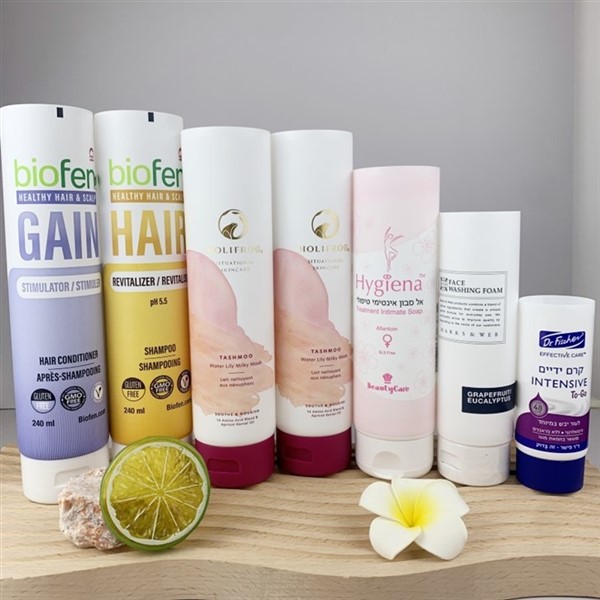
Customizable from 13mm to 60mm in diameter, this eco-friendly container is made from normal PE, PCR or sugarcane plastics. Select optional...
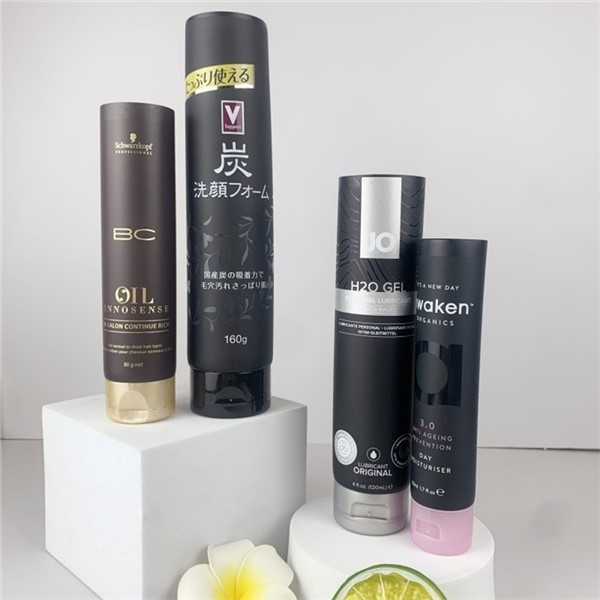
Item:Custom Empty Colored Cosmetic Plastic Tube Material:Normal PE, PCR or Sugarcane plastic material Size:customized Print:Screen printing/...
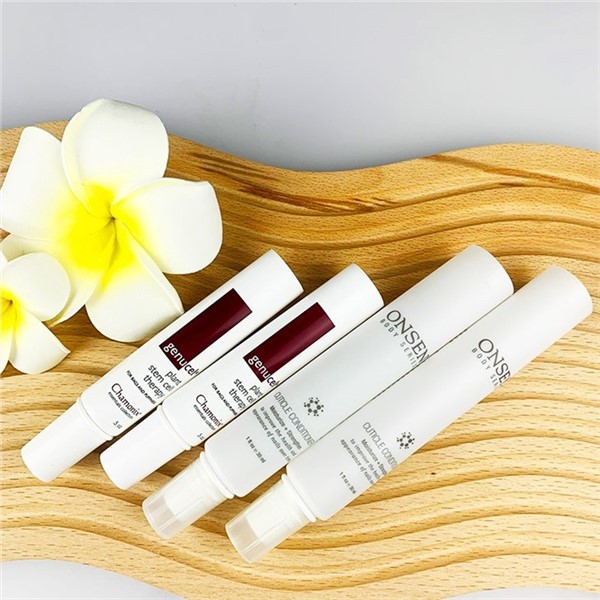
tem: Custom Capacity Private Label Eye Cream Long Nozzle Tube Material:Normal PE, PCR or Sugarcane plastic material Size:customized...
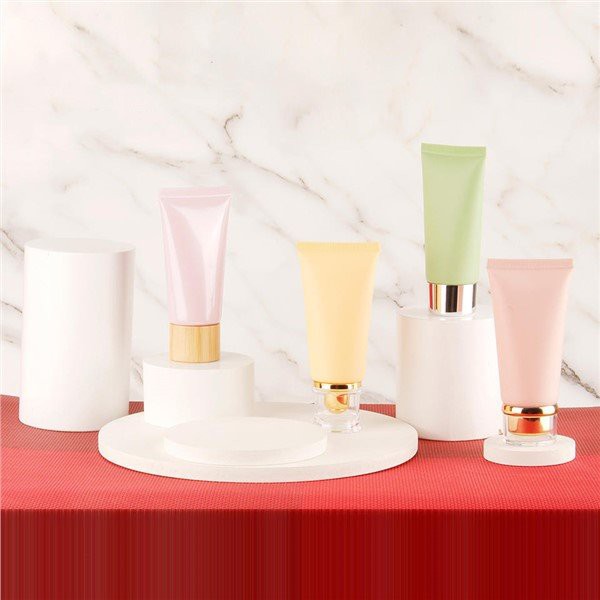
Model: 50ML
Tube diameter: Dia35mm
Capacity: 50g/50ml
Filling hole: 6mm
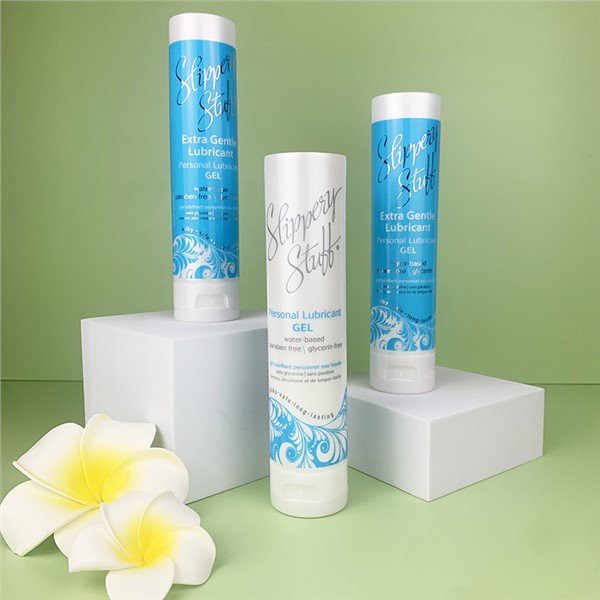
Industrial Use: Cosmetic
Use:Eye Cream, Essential Oil, Other Cosmetic
Material:Plastic
Surface Handling:Matte
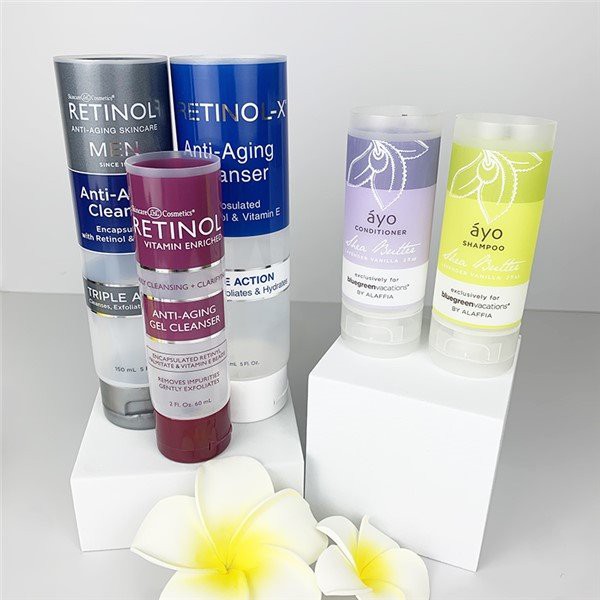
Diameter: 16mm-50mm
Length: adjusted within the range of tube capacity (3ml to 500ml)
Layer: mono-layer,double-layer and...
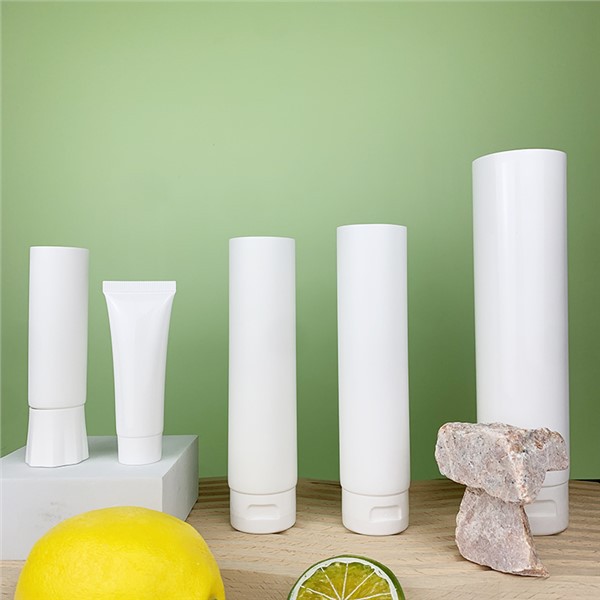
Material: PE Plastic
Layer: single layer, double layer,five layer
Color: Clear,pink,green,blue or other Pantone card...
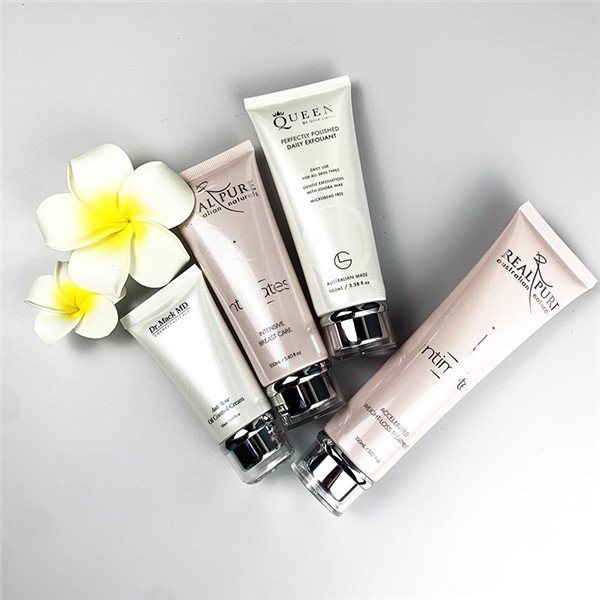
Cap: screw cap,flip cap,etc.support custom
Tube layers: 1 or 5 layers
Sample time: 7-8 working days
Length: can be...
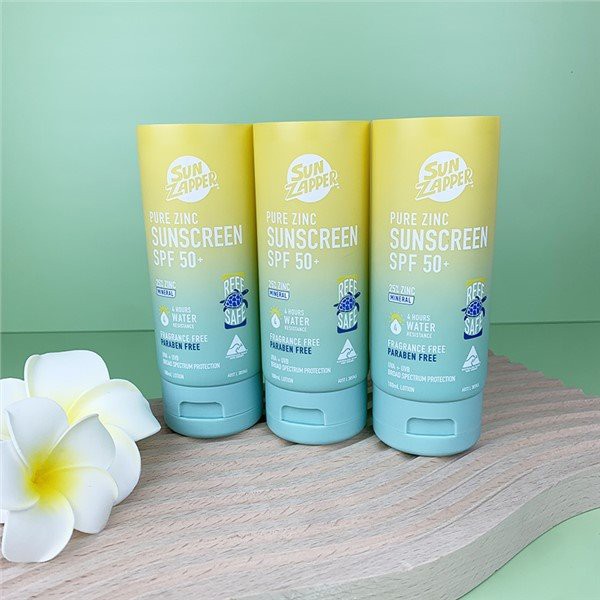
5 layers COEX EVOH Sunscreen Cream Tube
Surface Disposal: Frosting, Electroplating, Embossing, Pearlizing
Layer:Mono-layer,...
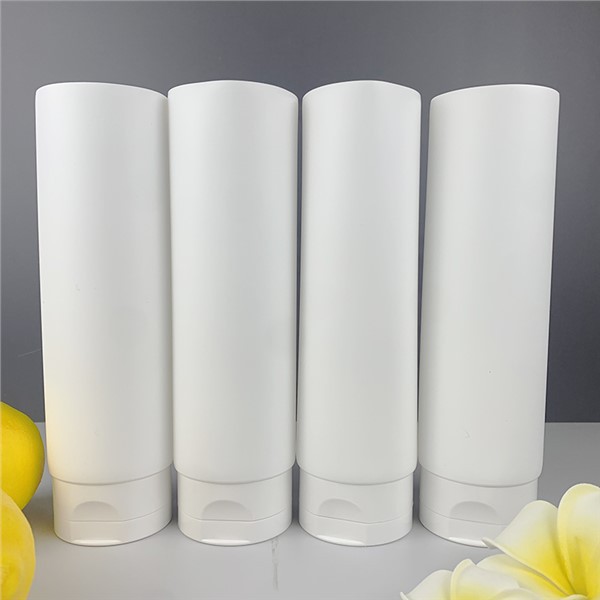
*Brand: BLOPAK
*Material: plastic
*Color of bottle: white are in stock , low moq
*Customized colors: matte black...
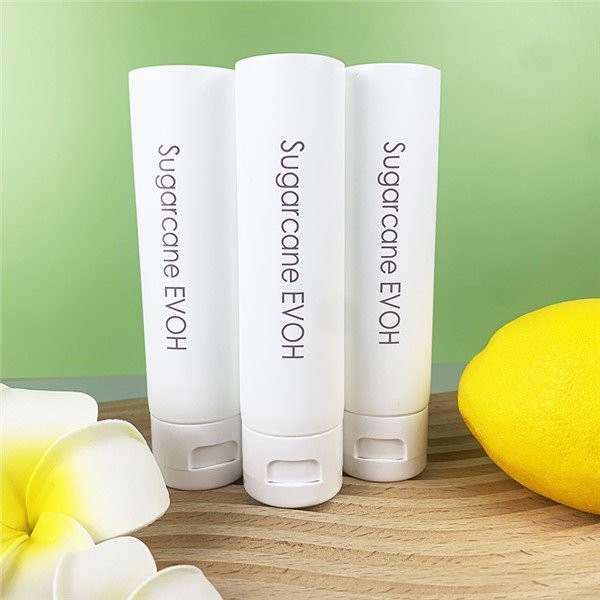
Surface Disposal:Frosting, Electroplating, Embossing, Pearlizing
Layer:Mono-layer, Double-layer, 5 layers COEX EVOH...
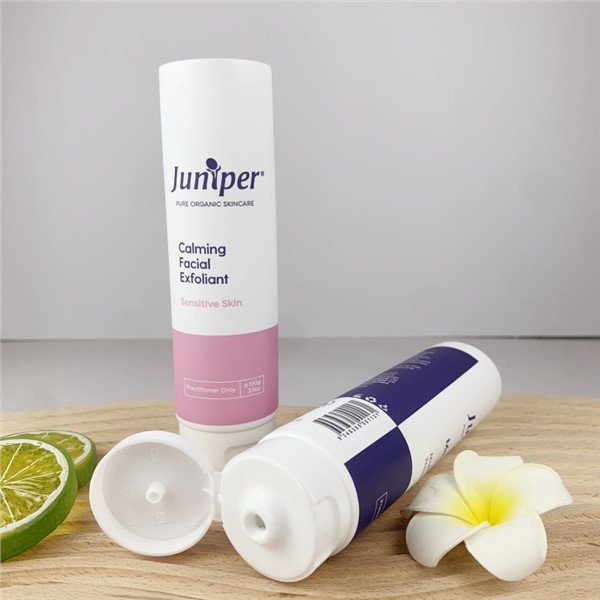
MOQ:5000PCS
Payment :L/C, T/T , West Union, Paypal
Location:Shanghai China
Lead time: 40 Days

Dec 05, 2023

Nov 28, 2023
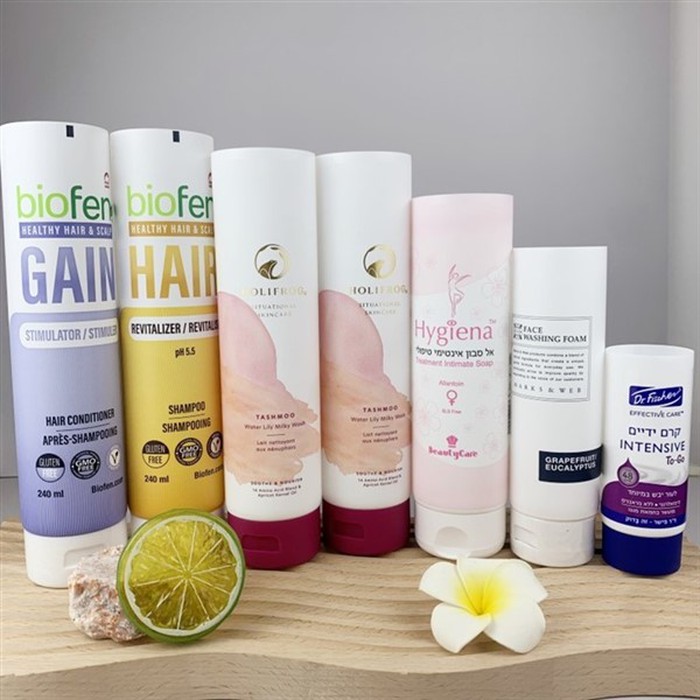
Product protection
The sturdy exterior and secure lid of a tube can protect products from contaminants like air, light, and users. This can help consumers use the product for longer and maintain the company's reputation.
Environmental friendliness
Tubes are completely recyclable, making them beneficial for the environment.
Durability
Plastic tubes can withstand various environmental factors, keeping the product in good condition throughout its shelf life.
Packaging versatility
Tubes can hold a wide range of amounts, from 3 ml to 270 ml.
Ease of use
Tube packaging is cleaner and easier to use than jars, as it doesn't require fingers or utensils. Customers can also dispense the exact amount of product they need, which can reduce waste.
What You Need to Know About Cream Tubes Packaging
Flexible and squeezable. Tubes have become a common packaging choice in a variety of industries, but have become especially popular in the personal care industry. Tubes are most commonly a round shape, but are extremely versatile with size, barrier, and dispensing options. With such versatility, tubes are a popular choice for packaging products ranging from beauty creams to industrial chemicals.
All tubes have an orifice, head, shoulders, and body. Length and width of the body can vary depending on the size of tube needed. Also a range of orifice sizes are available depending on how quickly you would like product to be dispensed and the viscosity of the product. For example, less viscous (more watery products) would work better with a smaller orifice in order to prevent too much product being dispensed at once while more viscous (such a thicker, creamy, or more gummy type products) would need a larger orifice.
Cream Tubes are most commonly made from plastic, aluminum, or a laminate (a mixture of both materials) to provide additional barriers to protect the product.
Aluminum
A traditional tube material that is still used today. They are often used for artist paints, adhesives, toothpaste, and other viscous liquids. Aluminum tubes can be referred to as 'collapsible' since thare more rigd and can dent.
Plastic
Plastic tubes are only made from plastic and are mono-layer. As a single layer, it is the most cost effective to produce, but will only work with products with non-active chemicals.
Laminate
Laminate tubes typically consists of a hybrid of materials for stronger barrier properties. There are different types of laminate tubes and are divided based on the materials the tube is made of. The most common types of laminate tubes are: ABL, PBL, and APT.
Depending on the product and how it needs to be dispensed, there is a wide selection of tube heads to pair with the tube body to fit the product's needs. Flip-top caps are most commonly used across many industries, but you will discover a much more diverse head style in the personal care industry to optimize dispensing product. Below is a list of some of the most common tube head styles you may come across:
Flip-Top (most common tube head style)
Brush
Doe Foot
Disc
Dome
Lotion Pump
Needle Nose
Pin Point
Rollerball
Slant Tip
Soft Spatula
Soft Tip
Sponge Tip
Cosmetic squeeze tubes are common used in cosmetic packaging today, and cosmetic plastic tube can play a very important role. When understanding cosmetic squeeze tubes, it can be found that the materials of cosmetic tubes are still largely different.
The current cosmetic tube packaging can have a certain degree of sealing and barrier properties. Cosmetic squeeze tubes are widely used because they are really practical for carrying cosmetic products. The same today's cosmetic plastic tubes can also directly solve many problems. Because in the past, when metal tubes were used, it was easy to have corrosive problems, which made the tubes unable to be used for a long time, but now the plastic cosmetic tubes have corrosion resistance, which solves the problem of corrosiveness question.
In addition, many industries worry about weight when using cosmetic plastic tubes. However, because the cosmetic plastic tube is made of plastic, there is no heavy weight and will not have a lot of impact.
Such cosmetic plastic tubes can be said to directly help many companies to solve various packaging problems. In addition, such cosmetic packaging tubes themselves are light in installation, making it more convenient to install and use. It occupies a large share in many industries and fields today.
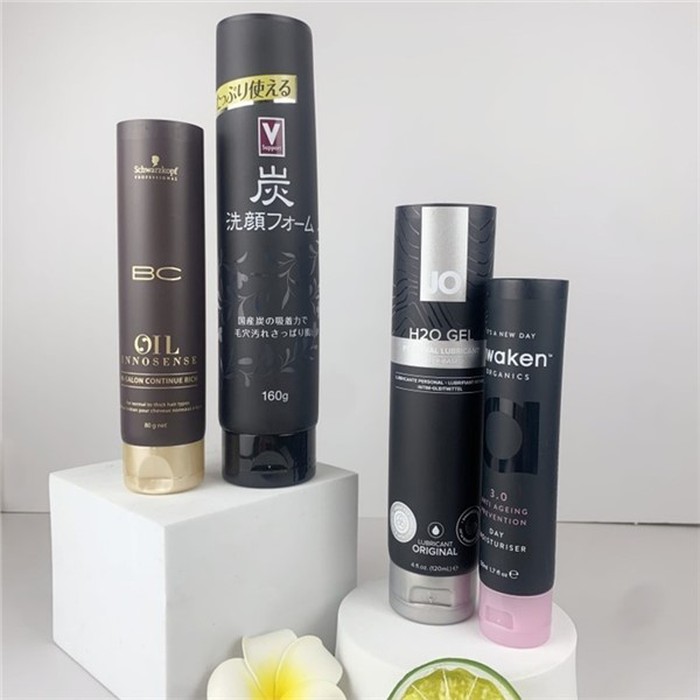
What Type of Squeeze Tube is Right for Your Application?
Today, plastic squeeze tubes are called upon more than ever as the vehicle of choice to deliver cosmetic and personal care products.This is because tube packaging is a low cost, efficient, shelf stable and aesthetically pleasing way to deliver a product. In fact, squeeze tubes are becoming the "go-to" package of choice across many industries today. Squeeze tubes are a flexible choice to hold and dispense a wide range of products along with being easier and less expensive to manufacture, fill and seal compared to other packaging solutions like glass jars and bottles. Plastic tubes are also known for their durability and resistance to breaking. Since tubes offer an air tight sealed system, they can increase product shelf life. They are also considered convenient by the end consumer which is of importance in the beauty business because dispensing the product with ease is as much a part of the experience as the formula itself.
Choosing the Look of Your Tube
Choosing either matte or glossy varnish depends on your preference for the look. There are two tips to keep in mind; first, a gloss finish can be less expensive and second, some varnishes can add a bit of structure if needed to the tube. However, most importantly, you will need to figure out what type of cosmetic tube is needed for your product. The tube needs to suit the product in terms of compatibility, aesthetic and product evacuation.
When the product development team gets together to "talk tubes" the conversation can become complex. It is critical for the product success to select the right empty tube material, the right "tight" fitting cap, as well as, the appropriate and efficient filling and sealing systems. You must consider every product detail including the product formula, the viscosity, the type of product and its use, as well as, the aesthetic.
To get started, we will start by discussing the basic category of tubes to consider which include plastic tubes, laminate tubes, and aluminum tubes.
Polyethylene Tubes (PE) or Plastic Tubes
You will need to become familiar with basic plastic tubes that come in different grades of polyethylene (PE) from low density (LDPE) to medium density and high density (HDPE). These types of mono-layer or multi-layer tubes are suitable for everyday skin care products, or products with short shelf life, such as cleansers, creams, shampoos, lotions, and conditioners. They can be built with a barrier coating for additional protection to the product.
Laminated Tubes
Laminated tubes can also be polyethylene but have an additional laminated coating which can serve two functions. First, laminate tubes provide the benefit of extra barrier protection for more volatile or irritant ingredient products. Secondly, the laminate layer allows for more complex art. However, since laminate tube material is produced flat, they typically cannot accommodate 360-degree art which is a drawback of the laminate tube. Laminate tubes are generally used for products such as tubes of toothpastes, acne products, sun blocks, and hair products. There are also several different barrier options, the most common being EVOH which serves a stronger barrier function than mono layer PE tubes above.
Aluminum Tubes
Aluminum or metal tubes are known for offering the best barrier protection for your formula. Also known as collapsible tubes, they can be used with the most aggressive or delicate formulas. Overall, aluminum tubes provide better protection than plastic squeeze tubes due to their heavy gauge material. They also offer an aesthetic many branded product lines prefer to plastic. The metallic look can now come in a variety of colors to enhance or completely cover the aluminum. Collapsible tubes compliment cleansers, active ingredient lotions and ointments. Keep in mind when evacuating metal tubes, the body of the tubes may take on a new distressed shape and have little to no recovery from in-use dispensing.
The materials commonly used for skincare tube packaging are mostly PE Plastic, followed by PP. Even in aluminum cosmetic tubes, some packaging may include a layer of PE material inside.
What unique properties does PE possess to become the mainstream material for tube packaging? The following sections will provide you with a detailed analysis of PE materials, and explain why PE occupies such a prominent position in tube packaging.
PE is odorless and non-toxic, with a wax-like feel and excellent resistance to low temperatures, as well as good chemical stability. It can be divided into different types such as HDPE, LDPE, LLDPE, and ULDPE based on density.
Cosmetic tubes are typically made using HDPE(recycling number is 2) and LDPE(recycling number is 4), which are two different densities of PE material. It's rare to produce tubes with a single-density type of PE, as a blend of different density types is often used.
Using a single-density PE for cosmetic tube production often poses significant challenges. Either the resulting tubes are too soft, making printing difficult and leading to high rejection rates, or they are too hard, making it impossible to seal the bottom of the tube effectively.
When it comes to producing flexible packaging materials, PP and PE are usually the first to come to mind. However, PP is typically used for producing squeeze bottles and is rarely used for making tubes because its flexibility and stretchability are always inferior to PE.
Apart from flexibility, PE also has the lightest weight among PP and PET. The lightweight nature of PE is an advantage in cost control for packaging, as it implies lower transportation costs.
Like most beauty packaging materials, PE is recyclable. However, its recycling is more challenging compared to regular PET bottles because PE tubes are composed of a mixture of plastics with different densities. The recycling and utilization processes of mixed materials are relatively complex, requiring more processing steps and techniques.
Of course, if the production of tubes is to be considered from an environmental perspective, PCR (Post-Consumer Recycled) materials can be used. However, using PCR materials for tube production can be more challenging and may result in higher prices.
Nevertheless, PE plastic has lower production costs compared to common cosmetic bottle plastics like PP and PET. This is why it has become a preferred material in many packaging and manufacturing fields.
There are various surface treatment processes for cream tubes, including silk screen printing, offset printing, hot stamping, spraying, and labeling, etc.
In addition to PE tubes (all-plastic) on the market, there are other types of hoses with different material combinations – aluminum-plastic tubes, pure aluminum tubes, and paper-plastic tubes.
However, cosmetic tubes of different materials have different surface treatment processes. Because of their different physical and chemical properties, processing techniques also vary.
PE tubes have good flexibility and durability, but they are relatively soft and prone to deformation. Therefore, they are suitable for processing techniques such as printing, spraying, and hot stamping, but are not very suitable for labeling.
Labels on PE tubes may easily peel off or deform with the squeezing and use of the tube. However, the suitability depends on the size and position of the label, as well as the addition of other modification processes and aids to the PE tube.
Shanghai Blopak New Material Co., Ltd. (formerly Shanghai Blopak Co., Ltd.), located in No. 2799, Wanfeng Highway, Fengjing Town, Jinshan District, Shanghai. Blopak now has a plant over 80,000 square meters with more than 400 employees. We are a leading manufacturer for all kinds of packages in China, specialized in designing and producing plastic tubes,plastic bottles and plastic jars. Blopak provides packages for all over the world not only for cosmetic products, but also for chemical food, pharmaceutical and other fields. Blopak adheres to the green, environmentally friendly, low-carbon and recyclable production concept. With years of technical advantages and a complete production and delivery system, Blopak is deeply trusted and hightly praised by domestic and oversea customers.
Q: What is a cosmetic tube?
Q: What are cream tubes made of?
Q: What is a suitable container for cream?
Q: What are the advantages of tube packaging?
Q: Can you recycle tubes of cream?
Q: What to do with old lotion tubes?
Q: How do you seal plastic cosmetic tubes?
Q: How are cosmetic tubes printed?
Q: What are the different types of squeeze tubes?
Q: Why are collapsible tubes more preferred than ointment jars?
+8613310037132
No.2799, Wanfeng Highway, Fengjing Town, Jinshan District


